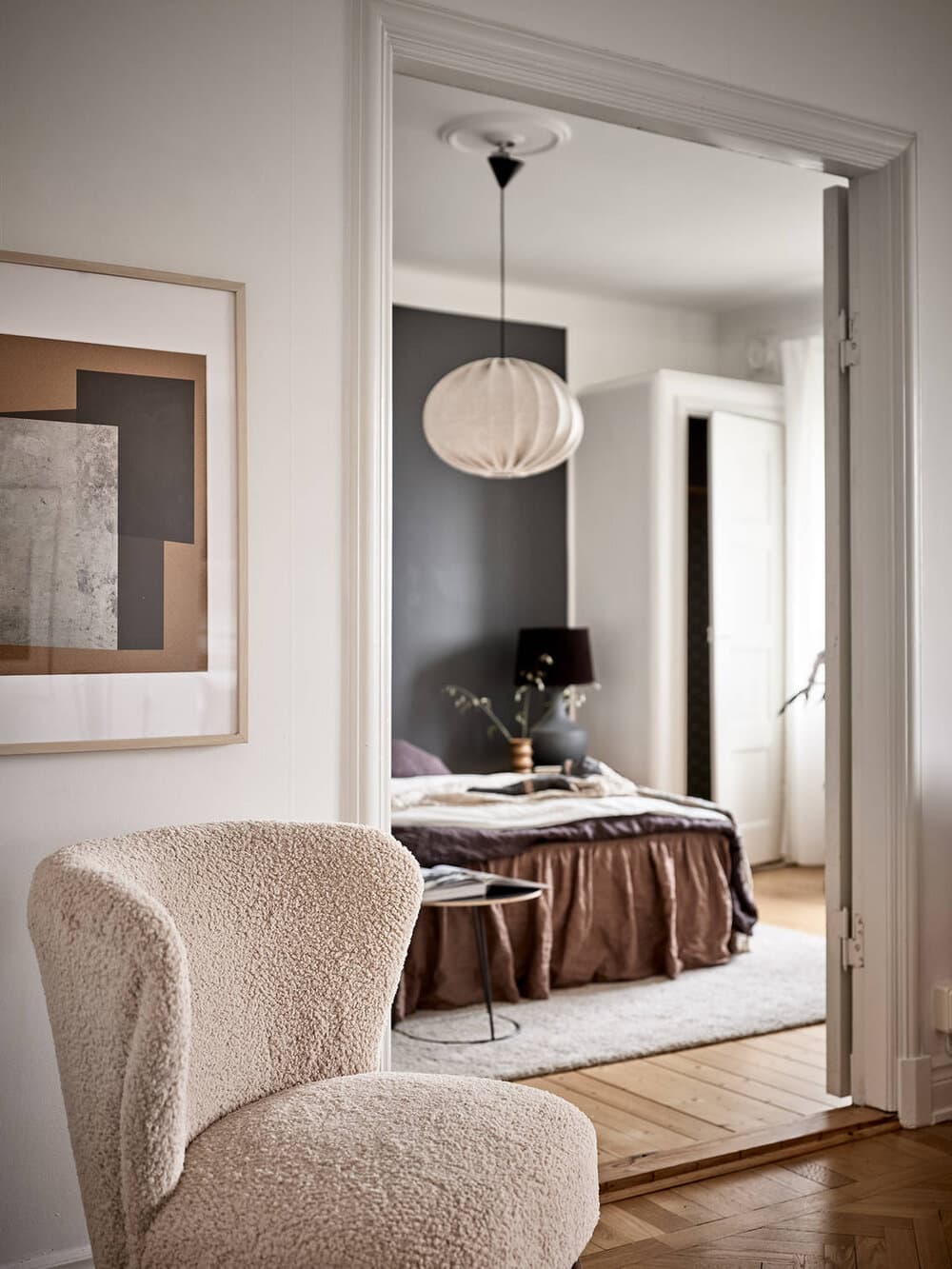
A home should evolve with you — your needs, your lifestyle, and the way you actually use your space. Whether you’re working with open-plan living or cleverly compact rooms, multi-functional design is a smart (and stylish) way to make your home more adaptable and calm. Here’s how to make your home do more — and feel better while it does it.
Define the Function First
Start with one question: What do you need this space to do?
Whether it’s a spare room doubling as a home office or a garage becoming a games den, clearly defining the function is the first step. Don’t be afraid to layer functions — just make sure you’re honest about what you’ll actually use. A cluttered guest room with a treadmill in the corner? Not quite the vibe.
🛠️ Pro Tip: Watch out for practical barriers like garage doors or awkward layouts. They may influence where and how furniture can live.

Create Zones Without Building Walls
You don’t need to knock down or build up — zoning is your best friend.
Use rugs, furniture placement, or lighting changes to visually separate spaces within a room. Even the vertical space can help. Think: floating shelves, wall-mounted desks, or tall open shelving units that act like gentle dividers.
For more ideas, check out this guide on changing the function of a space — it’s full of inspiration for getting more out of your existing layout.

Choose Multi-Functional Furniture That Works Harder
Multi-functional homes need multi-functional pieces.
Opt for modular, flexible furniture that earns its place. Look for:
- Sofas with hidden storage
- Ottomans that double as coffee tables
- Foldaway desks or Murphy beds
🛋️ Brands like Jysk and IKEA have loads of clever options where space is precious.
Need more inspiration? We’ve curated some of the best space saving storage solutions that work with any room and style.
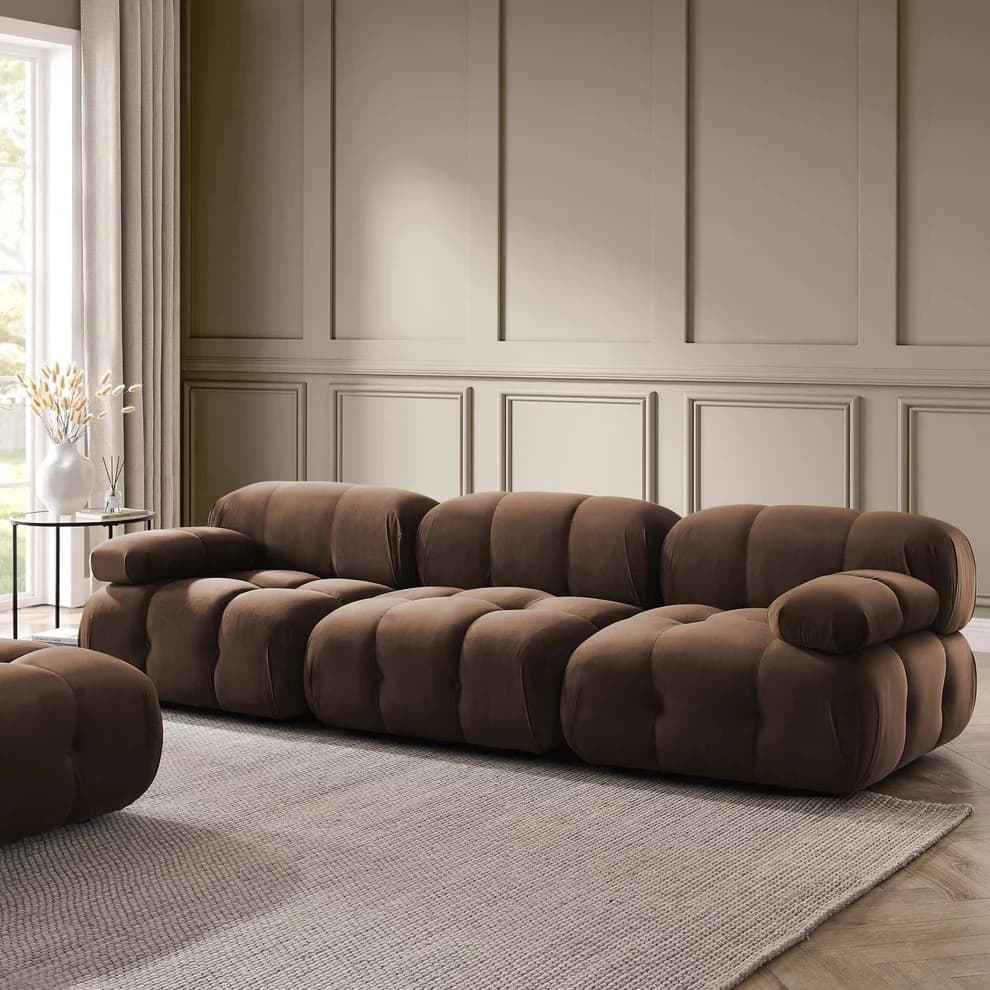
Set the Mood with Layered Ambience
Styling isn’t just visual — it’s emotional.
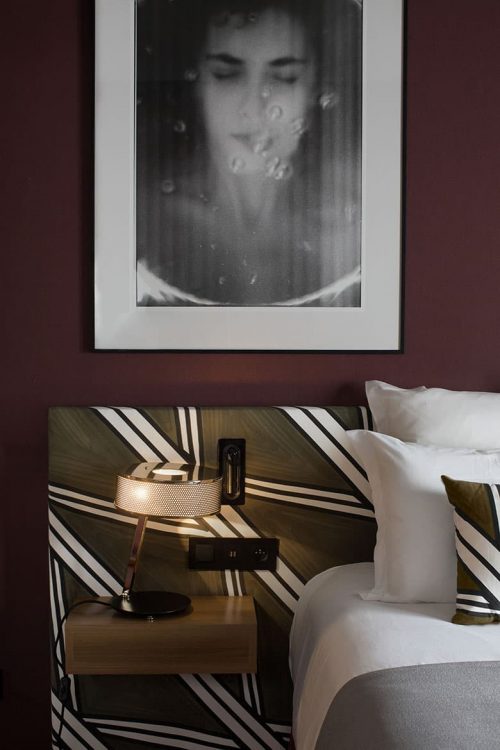
Layer your lighting: combine ceiling lights with wall sconces, floor lamps, or even LED strip lighting for a hotel-inspired glow.
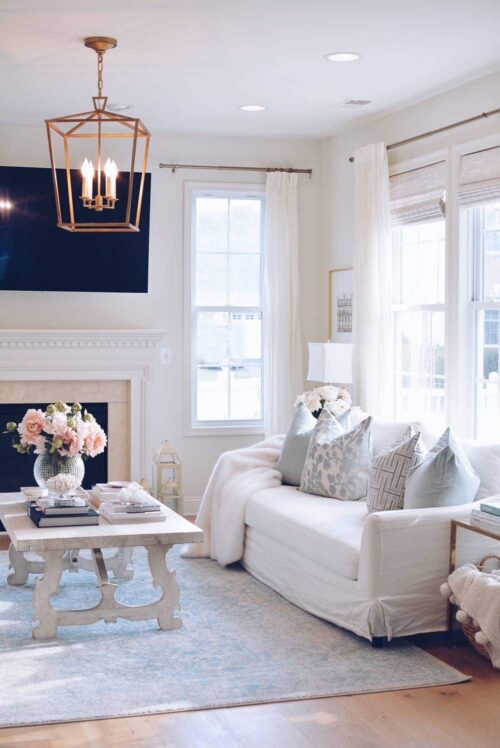
Then go soft with colour: pastel tones, warm neutrals, or calming greys can all help a room feel bigger and more breathable.
Design for the People Who Live There (That’s You)
The best design isn’t just about how it looks — it’s how it works.
Every space should meet your personal or family needs. That includes accessibility, comfort, and those little touches that say “this is our home.” Think tactile fabrics, your favourite books on display, and layouts that feel natural to move through.
Looking Ahead
As your home continues to change with your needs, multi-functional design gives you the freedom to adapt without starting from scratch. Whether it’s making space for new family routines or reworking an underused corner, these principles help you stay flexible — and still feel at home.
Don’t Be Afraid to Evolve Your Space
One of the best things about multi-functional design is its flexibility. Your needs will shift — and your home should be able to shift with you. From adding a new work-from-home corner to rethinking a guest room, the goal is to make changes feel seamless, not stressful.
Functional Can Still Be Beautiful
Multi-functional design doesn’t mean compromising on comfort or personality. It means creating a home that adapts to your life — with smart layouts, furniture that works hard, and styling that makes every corner feel like it matters.