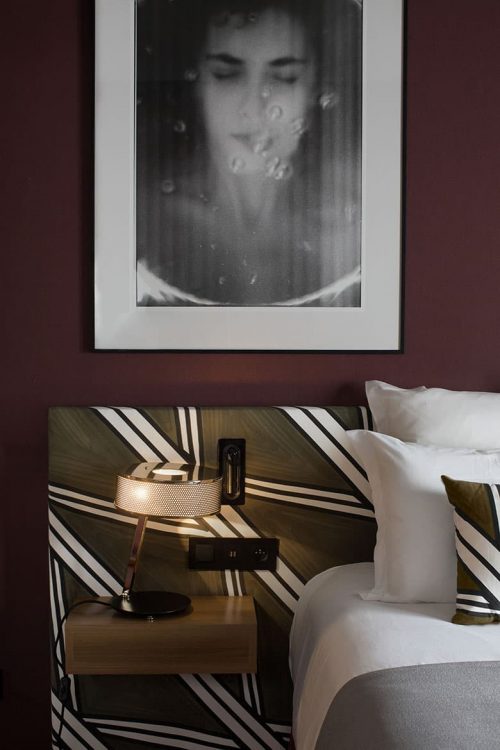
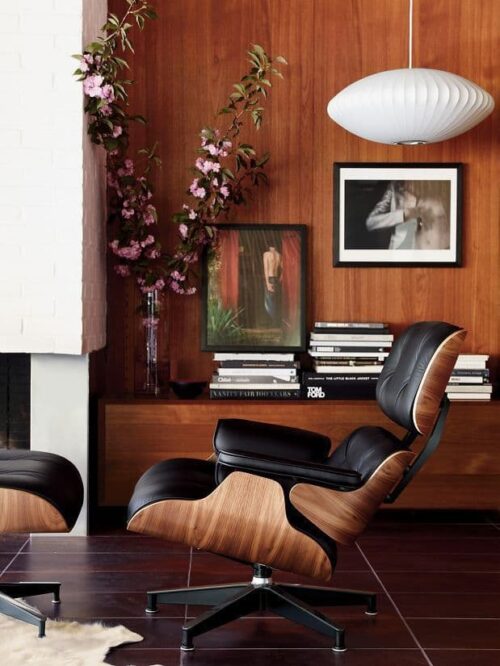


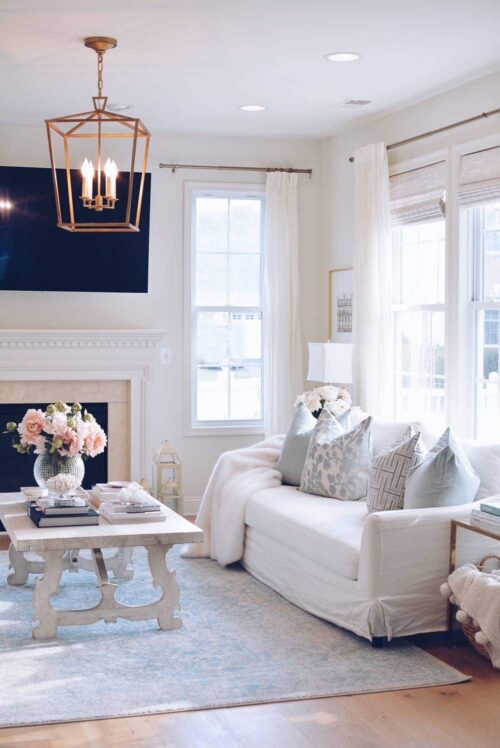
5 Inspiring Takes On Rustic Scandinavian Interior
The perfect combo that is often found in the small cottages in the rural parts of the Nordic country: Scandinavian meets Rustic.
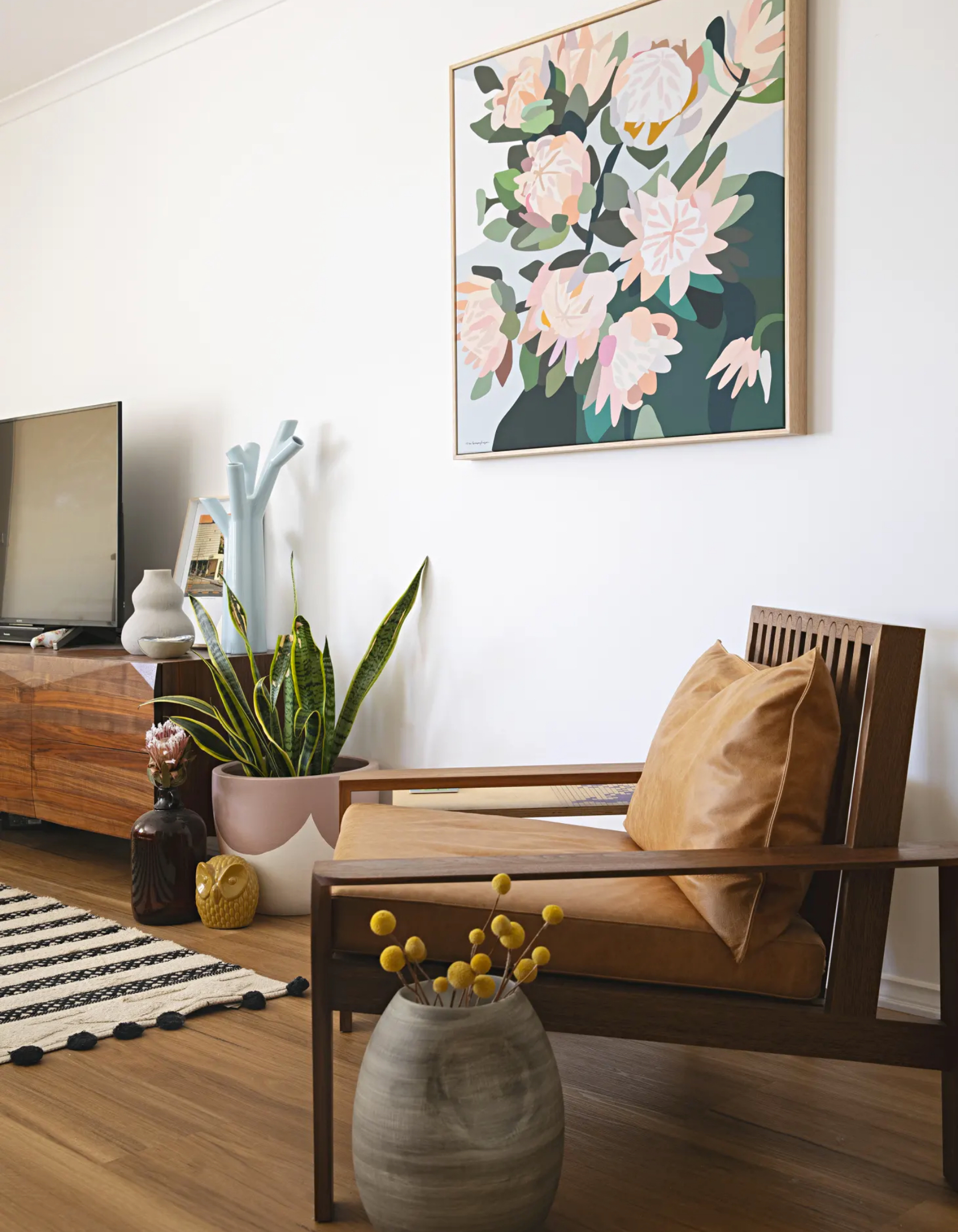
Let’s give the high street its due: it has never been better at homeware. The gap between what a supermarket home aisle looks like and what a boutique looks like has narrowed to almost nothing, and the current ranges are full of pieces that could pass for four times the price. The catch is that they’re sitting right next to pieces that will look tired by Christmas. Shopping it well is a skill, so here’s how the editors do it, and how to do the same on your own high street this weekend.
Scalloped edges are the shape of the season, on mirrors, lampshades, trays and cushions. The one worth actual money is the mirror: a scalloped mirror is soft enough to feel current but classic enough that you won’t wince at it in two years, and as we said in our trends piece this week, if you’re only buying one curve, make it the mirror. Take the rest of the scallops in small, cheap doses.
Glossy, chunky, slightly imperfect-looking ceramics are everywhere right now, and the high street versions are genuinely good. A couple of heavy glazed vases or a stack of handmade-looking bowls adds more character per pound than almost anything else in the shop. The test is weight: pick it up, and if it feels substantial, it’ll look substantial on the shelf.
The colour story on the high street has caught up with the wider 2026 palette: olive greens, warm clays, and simple stripes on neutral grounds. Cushion covers and throws in these shades are the cheapest possible way to bring a room up to date, and because the colours are grounded in nature rather than novelty, they’ll outlast the season by years. Olive on a stripe is the sleeper hit: it flatters neutrals, blues and dark wood alike.
Boucle cushions, seagrass baskets, chunky knit throws, linen that creases. Texture is doing the job colour used to do, and the high street has taken to it enthusiastically. A seagrass basket for the plants and one boucle cushion will quietly modernise a sofa that hasn’t changed since 2019.
Checkerboard is having its moment on trays, rugs, candles and glassware, and it’s fun. But it’s also the most trend-led pattern in the shops, which means it dates the fastest. The rule: checkerboard on things that cost less than a takeaway, never on things that need to last. A checked tumbler, yes. A checked armchair, absolutely not.
The high street is brilliant at accessories and unreliable at furniture. The trend-shaped sofa or the veneered statement sideboard is where budget ranges cut corners you can’t see in the shop, and where a snapped leg two years in teaches an expensive lesson. Spend small on style, and put the proper money into fewer, better pieces, or better still, buy the big stuff secondhand. The solid dark wood furniture nobody wanted a decade ago is back in fashion and still auction-cheap, and it’s better made than almost anything new at the same price.
Nobody whose home you admire furnished it from one shop. The trick that makes high street pieces look expensive is putting them next to something that isn’t: a charity shop find, one inherited piece, a single proper lamp. The mix reads as a home with a history rather than a haul, and it means every cheap piece borrows a little credibility from its neighbours. Shop the high street with confidence, just never let it be the whole story.
For where all this is heading, our guide to the interior trends we’re actually seeing in 2026 is on the Journal now.

The perfect combo that is often found in the small cottages in the rural parts of the Nordic country: Scandinavian meets Rustic.

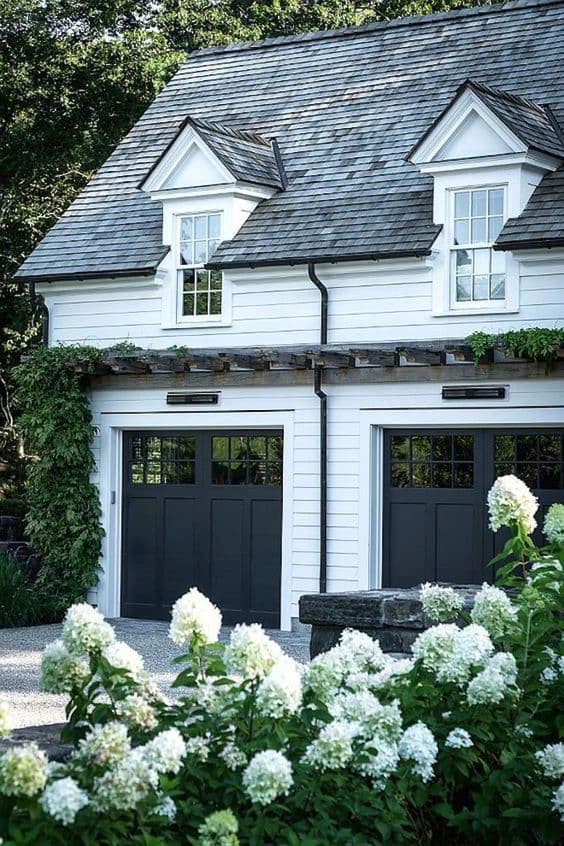
Transform the outside of your into a serene and stylish outdoor living space that reflects your personal style.