

Utility Design: A Liverpool Icon Redefining Design and Style
For 25 years, Utility has been more than just a store in Liverpool; it’s been a destination for those who appreciate quality, craftsmanship, and design.
Interior trend pieces usually ask you to fall out of love with your own home once a year. This one won’t. The striking thing about 2026 is how much the interior trends agree with each other. After years of ping-ponging between stark minimalism and everything-everywhere maximalism, the direction of travel is finally sensible: warmer rooms, more texture, softer shapes, and things you buy once and keep. Here are the six we’re genuinely seeing everywhere, and how to borrow each one without redoing the whole house.
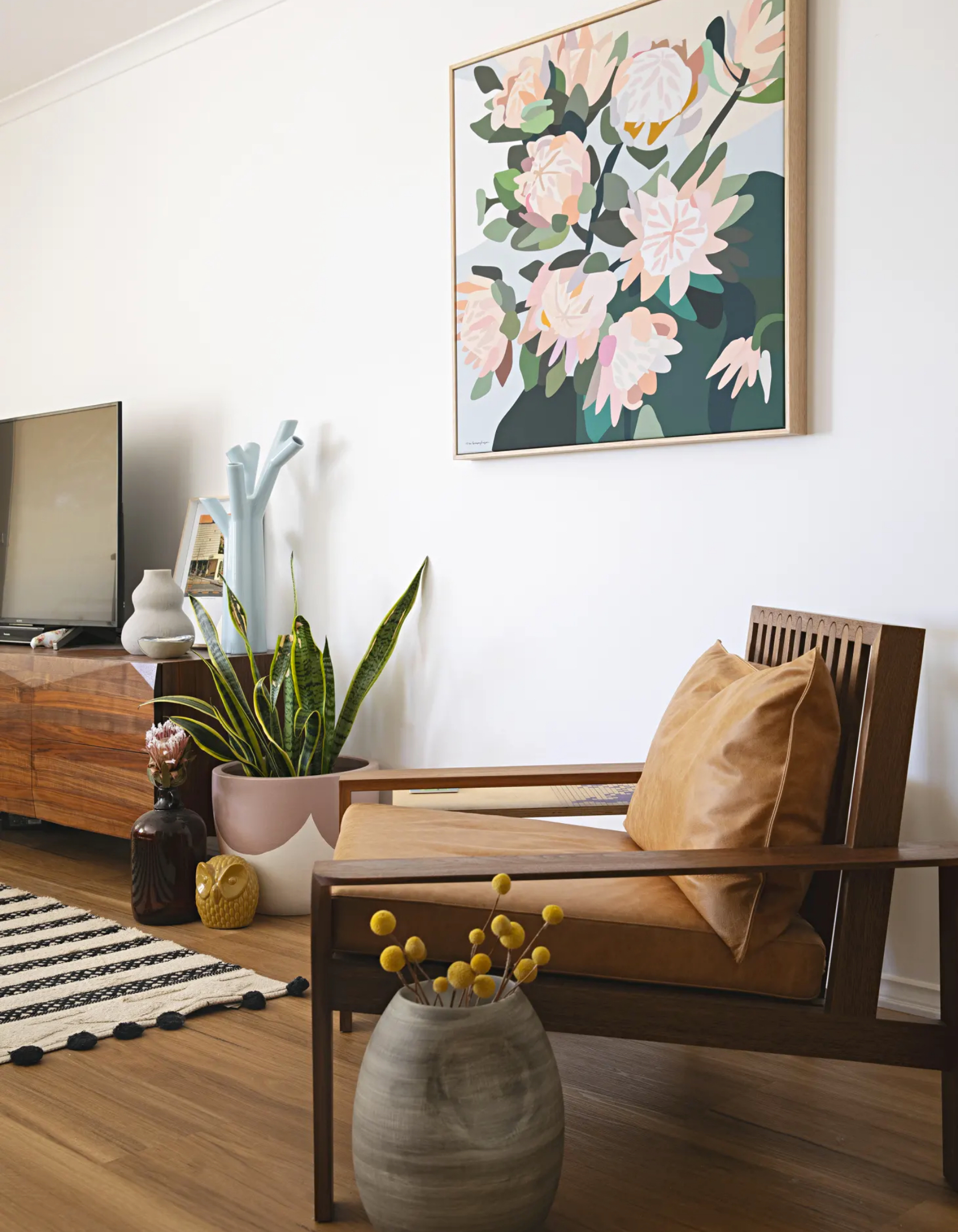
The word is new, the idea is old fashioned common sense. Midimalism sits between minimalism and maximalism: rooms that are edited but not empty, personal but not chaotic. Shelves hold the books you actually read and the objects that mean something, not a museum display or a blank plane of nothing.
To get the look, don’t buy anything. Start by taking every small object out of your living room, then return only the things you would rescue in a fire. Whatever earns its way back in gets space to breathe. That’s midimalism, and it costs nothing.
Sharp corners had a long run. This year sofas are rounder, coffee tables are organic blobs, arches are appearing in mirrors and doorways, and even kitchen islands are losing their edges. Curved shapes soften a room the way a rug softens a floor, and they make small spaces feel less boxy because your eye keeps moving instead of stopping at corners.
You don’t need a new sofa to join in. One curved mirror, a round side table, or a sculptural lamp will do the softening for a fraction of the cost. If you’re only buying one curve, make it the mirror.
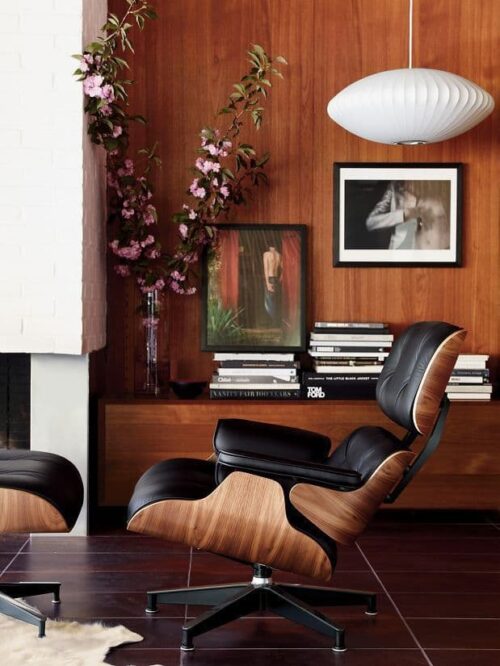
For a decade the safe answer was pale oak or painted grey. In 2026 the pendulum has swung towards deeper, richer timber: walnut, stained oak, proper brown furniture set against light stone and soft neutral walls. It’s classic materials in contemporary rooms, and it photographs beautifully because the contrast does all the work.
This is the trend where secondhand shines. The dark wood furniture charity shops and auction houses couldn’t give away five years ago is exactly what the look calls for. A £40 vintage sideboard, waxed and given decent handles, beats most things you’d order new.
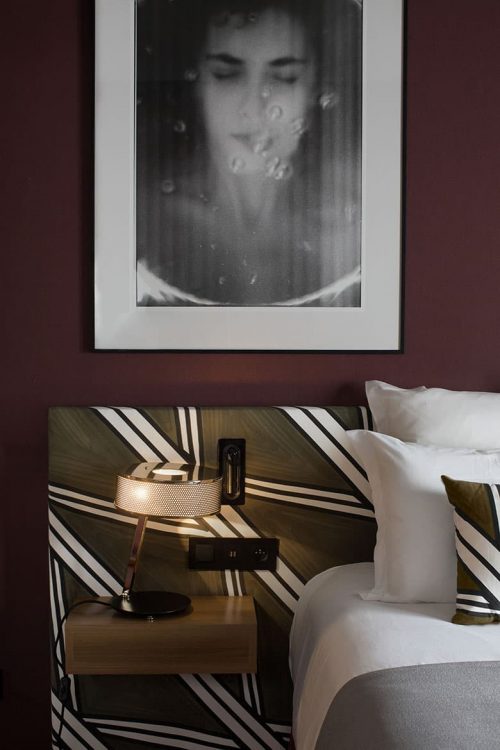
Colour has gone outdoors. Warm neutrals like taupe and off-white are the base, with terracotta, clay, olive and sage doing the heavy lifting, and deeper forest greens where you want drama. Colour drenching hasn’t gone anywhere either; the difference this year is the colours being drenched. Think a study in olive rather than a bathroom in electric blue.
Paint remains the cheapest transformation in interiors. If a whole drenched room feels brave, start with the smallest one you have. A downstairs loo in a deep clay or forest green, walls, ceiling and woodwork together, is a weekend job and the best value wow in the house.
Run your hand around the rooms you admire this year and you’ll understand them better than by looking. Limewash and plaster-effect walls, boucle, cane, seagrass, chunky knits, brushed cottons and creased linen. Where rooms once got their interest from bold colour, they’re now getting it from surfaces that catch the light differently as the day moves.
The affordable way in is fabric first: a boucle cushion or two, a linen throw, a seagrass basket for the plants. If you’re feeling braver, limewash paint turns one flat wall into the most interesting surface in the room for about the price of a takeaway for four.
The quiet trend underneath all the others. People are renovating more thoughtfully, choosing pieces designed to last, and treating a slightly worn, lived-in room as the goal rather than the compromise. Perfection is out; provenance is in. It’s better for your wallet, considerably better for the planet, and it takes the pressure off. Your home is allowed to look like people live in it.
The practical version: before any purchase, ask whether you’d still want it in ten years. If the answer is no, it’s decor. If the answer is yes, it’s furniture. Spend accordingly.
None of them wholesale. The best rooms this year take one or two of these ideas and marry them to the house they’re in. A Victorian terrace wants the heritage wood and the clay palette; a new build flat gets more from curves and texture. Pick the trend that flatters what you’ve already got, and let the rest pass by. That, honestly, is the most 2026 move of all.

For 25 years, Utility has been more than just a store in Liverpool; it’s been a destination for those who appreciate quality, craftsmanship, and design.
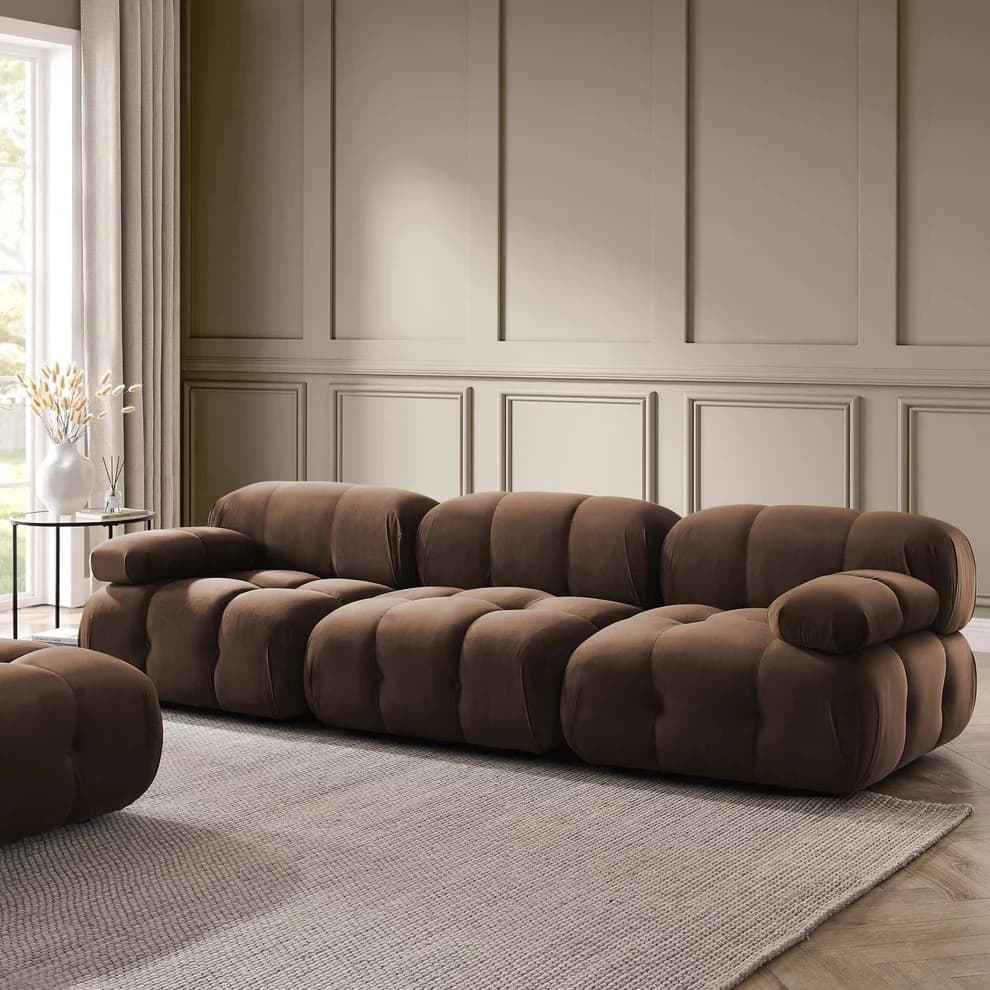
Whether you’re working with open-plan living or cleverly compact rooms, multi-functional design is a smart (and stylish) way to make your home more adaptable and calm. Here’s how to make your home do more — and feel better while it does it.
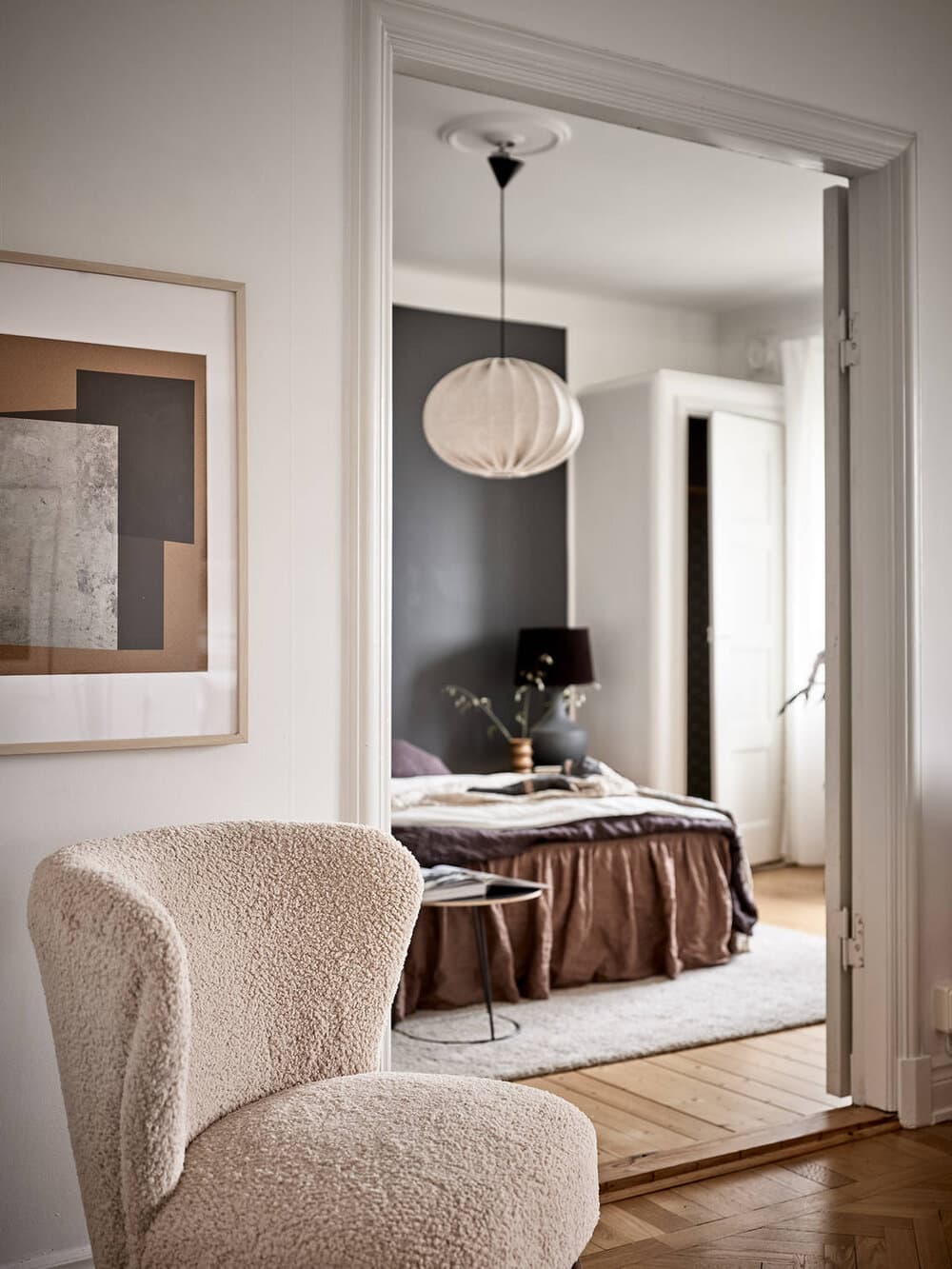
No matter what you go for, any piece using Boucle fabrics is a luxe addition to any home.